
Bullfix is obviously the answer, but why?
With so many plasterboard fixings out there, knowing what really sets one apart can be difficult. So, let’s take a look at the ins and outs of what makes Bullfix the best…
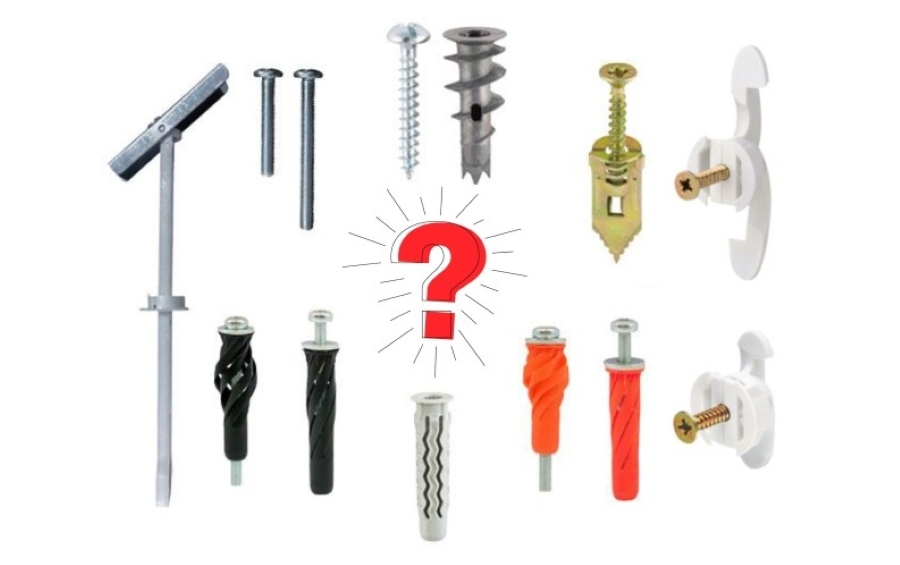
Why do you need a different fixing for plasterboard?
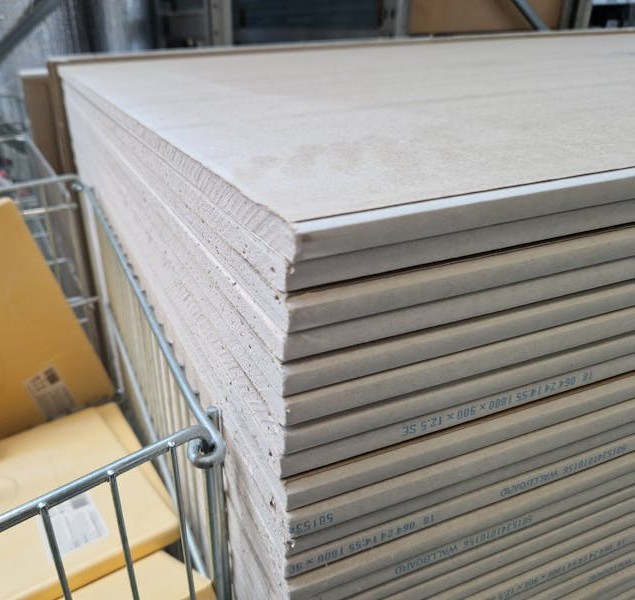
Plasterboard is a great building material, but it differs from wood and brick in one main way: it’s brittle.
Plasterboard consists of a gypsum core ‘sandwiched’ between two layers of durable paper. In some cases, it also includes insulation backing. This makes it lightweight but also susceptible to damage when the wrong fixing is used.
Normal screws grip around the hole, which is perfectly fine for durable materials like wood and brick. However, for plasterboard, this will just tear through the soft gypsum. Then what? The hole crumbles and won’t hold any real weight.
That’s where specialised plasterboard fixings come in. Fixings designed for plasterboard expand, toggle, or grip behind the plasterboard. But just because they are all made for plasterboard, it doesn’t mean they all perform the same. That’s where problems start.
What are the common problems with plasterboard fixings?
Understanding why plasterboard fixings fail is important when picking the right one for the job. No one wants their brand-new TV to come crashing down or their mirror to fall and smash into a million pieces.
So, what problems do you need to look out for?
- The fixing working loose over time
With repeated loading or use, some fixings can loosen their hold on the plasterboard. This can make your item unstable or possibly even cause it to tear out of the wall completely.
- Compatibility with different wall types
You need to make sure your fixing is suitable for the structure of the wall you’re drilling into. Not all plasterboard fixings will work with stud walls, dot and dab walls and insulated plasterboard.
- The wings or toggle don’t fully deploy
For fixings that expand or grip behind the plasterboard, it’s crucial that they fully deploy. If they don’t, you risk plasterboard damage, a weak hold, or even complete failure.
- The weight limit of the fixing
Not all plasterboard fixings are equal in strength and weak fixings fail under heavy loads. Take pigtail fixings, for example, which only hold a very small load capacity (around 10kg). Designed with a thread that bites into the plasterboard, they are easily overloaded and pulled out of the wall.
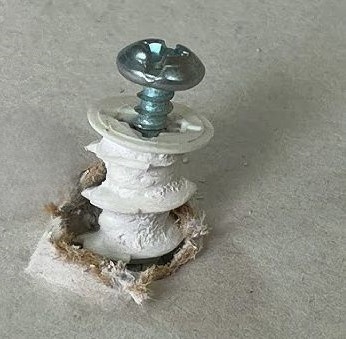
Even the most popular plasterboard fixings can cause these issues. That’s why it’s so easy to end up with a fixing that loosens, pulls out, or damages the plasterboard.
So, knowing what to avoid is key but so is knowing what to look for…
What makes a good plasterboard fixing?
This is what it really comes down to. What does a plasterboard fixing need to do so that you have confidence when all else fails?
Plasterboard fixings should:
- Spread the load away from the hole
The plasterboard is weakest where the hole has been made, so the load needs to be spread away from this point.
- Be strong
They need to be able to withstand a high load capacity for heavier items.
- Give you confidence and ease in installation
Knowing that the wings have fully deployed means you don’t have to worry about damage or instability.
- Maintain grip over time
This applies especially for items that are used every day and have repeated loading, like shelves or kitchen cupboards.
- Minimise damage to the plasterboard
Some plasterboard fixings use sharp metal, which can dig into the delicate plasterboard. The wrong fixing can also pull the plasterboard inward and cause it to crack.
- Be suitable for multiple different wall structures and types of plasterboard
Wall structures can differ in terms of the size of the cavity behind them. For example there are stud walls, dot & dab walls and insulation backed plasterboard walls. The thickness of the plasterboard is also important and usually ranges from 9mm to 15mm.
Whilst there are many plasterboard fixings on the market, finding one that ticks all of these boxes can be difficult.
But that’s where Bullfix comes in.
Why is Bullfix the best plasterboard fixing?
Bullfix is designed specifically to solve the problems other plasterboard fixings can’t. But what really makes it so great?
- Patented smart wing design
Bullfix’s patented smart wing design hooks behind the plasterboard and spreads the load away from the hole for a stronger hold. This reduces stress on the plasterboard and distributes the load across a wide area. This means the fixing will remain secure and you won’t have to worry about it loosening over time.
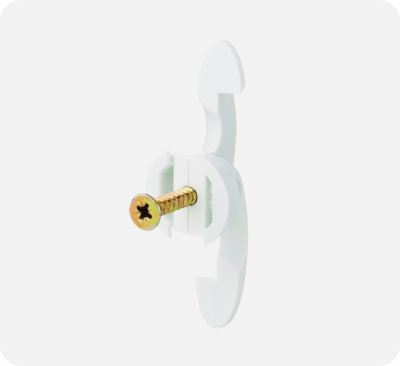
- Bullfix works reliably across plasterboard that is 12.5mm to 16mm in thickness
- Made for heavy duty items
Bullfix is super strong and tested to withstand different types of loading- with Bullfix Universal able to hold up to 116kg of weight. If you’re tackling something even heavier, then Bullfix Extra can hold up to 133kg in stud walls.
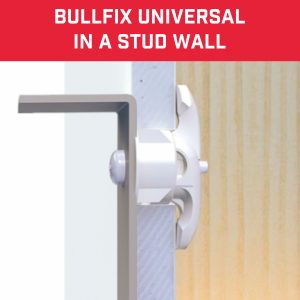
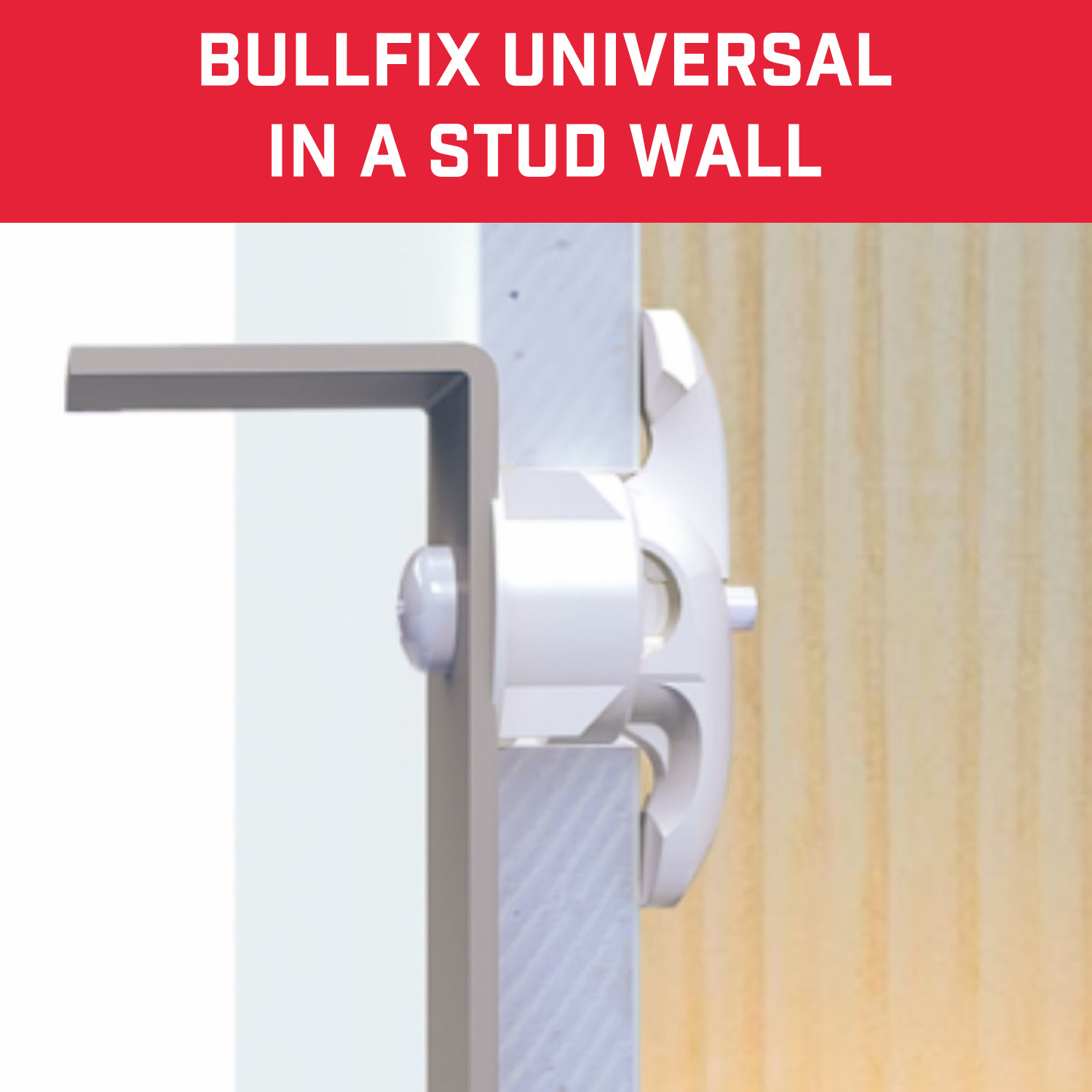
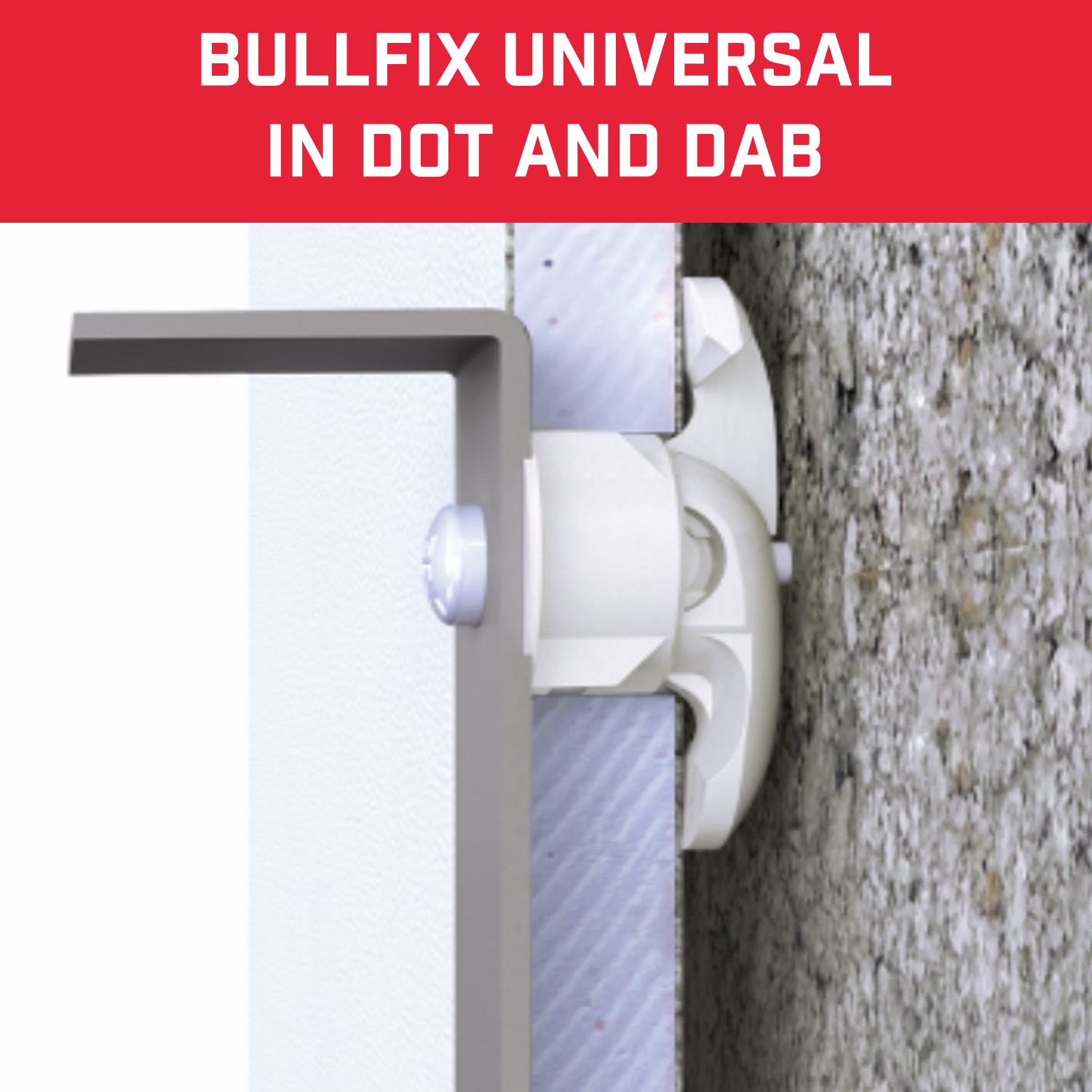
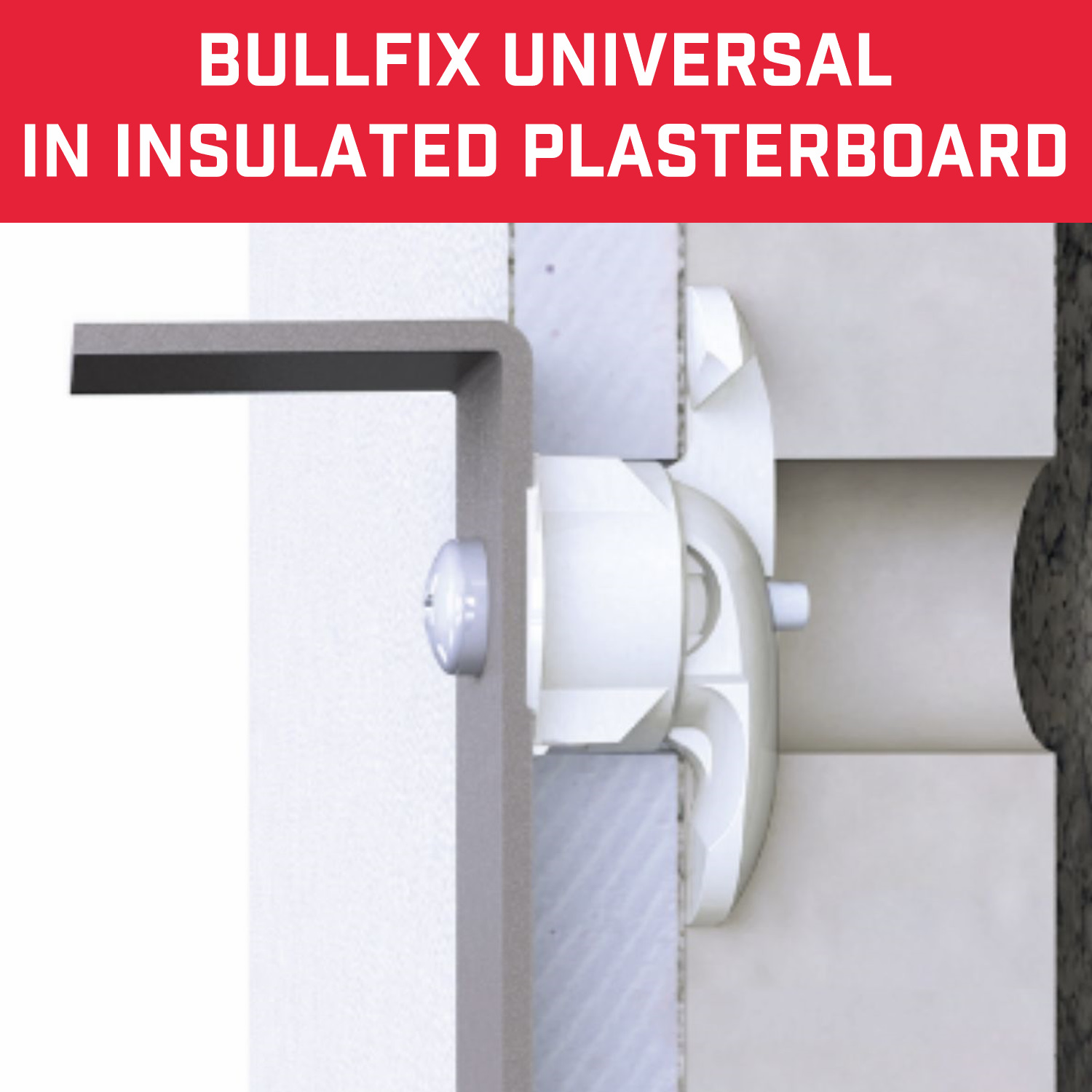
- Bullfix Universal can be used in different wall types
Engineered for use in stud walls, dot and dab, and even insulated plasterboard. Bullfix Universal only needs a cavity of 7mm for the wings to deploy.
- Bullfix fixings are reusable
Unlike some fixings, you can remove them from the plasterboard and use them again elsewhere.
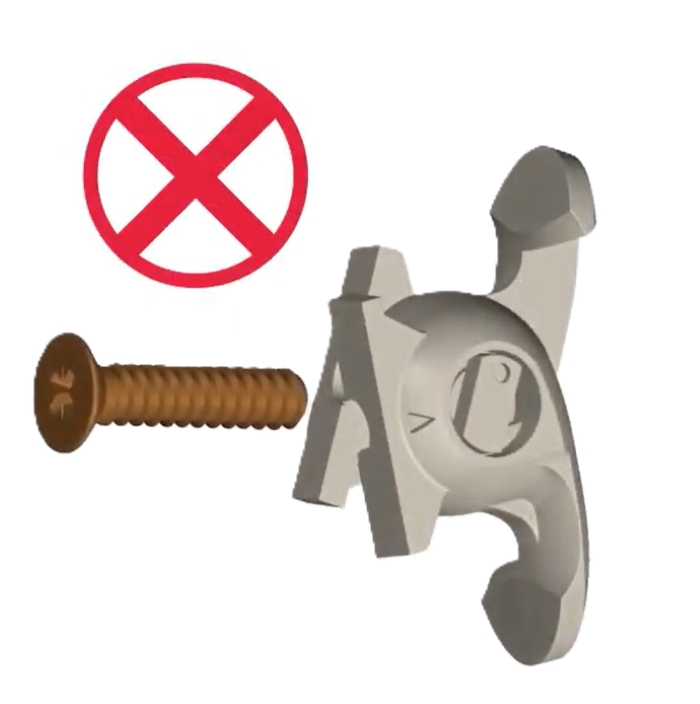
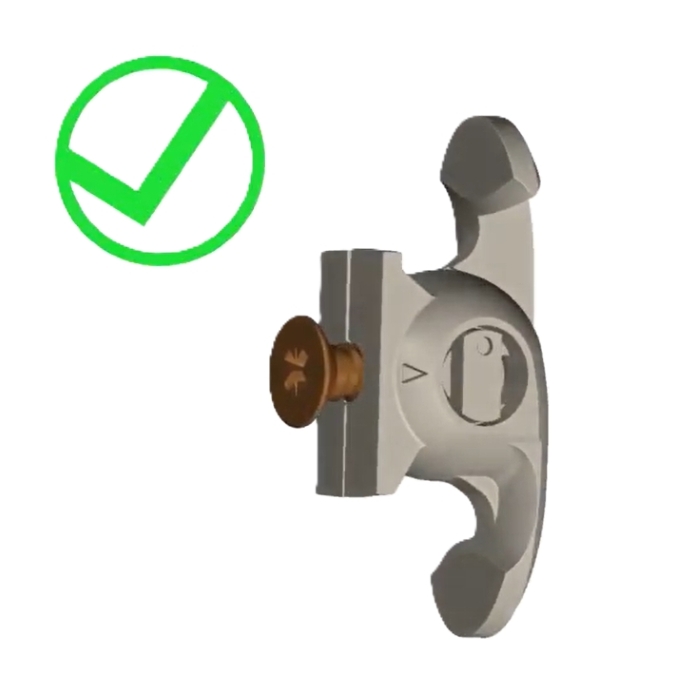
- Bullfix guarantees wing deployment
The screws won’t insert until the wings have fully deployed behind the plasterboard. This gives you confidence it will stay tight and won’t work loose. Knowing your fixing is installed correctly removes all the uncertainty that other fixings cause.
As you can see, Bullfix is not like other plasterboard fixings. It will hold, stay strong, and eliminate the worries that other fixings can’t.
But if you don’t want to just take our word for it, then have a look at what others have said:
Amazing product, super easy to use and incredibly strong. A no brainer to get this.
I’ve tested many drywall and plasterboard fixing kits over the years, and Bullfix absolutely stands out as one of the most robust and reliable I’ve used-particularly for dot u0026amp; dab walls and hollow cavities.
Bullfix are the way to go
This is a true, heavy duty fixing that I would happily use for radiators, TVs, kitchen cabinets, the list goes on
Plasterboard walls present unique challenges, and not all fixings are up to the job. The right plasterboard fixing should be strong, reliable and easy to install.
So, if you’re looking for the best plasterboard fixing, Bullfix is the answer. Bullfix has been designed to make your life easier, while giving you the confidence that they’ll do exactly what you need them to do – stay strong.