


The short answer is yes; you can hang a radiator on a plasterboard wall but only with Bullfix radiator brackets and fixings.
Successful instalment relies heavily on the type of radiator, the brackets, and of course the fixings you use.
What are the traditional methods of installing radiators on plasterboard?
Traditional methods of installing radiators on to plasterboard are:
- Installing batons or pattresses behind the wall where the radiator fixing points are (before you put the plasterboard up)
This is great if it’s a new wall but becomes messy and time-consuming if you are installing on an existing wall or changing the size of your radiator.
- Attaching boards to the studs behind the radiator
This won’t work if you have a column or designer radiator that you can see through.
- Cutting a hole in the plasterboard to retrospectively fit pattressing.
This is expensive, messy and requires plastering if you can see through the radiator.
Can I use the same method to install all radiators on plasterboard?
No, not all radiators are the same. Some are heavier than others, some have different bracketry and some are even positioned further away from the wall. All of which matters when it comes to mounting radiators onto plasterboard walls.
Incorrectly installing a radiator can cause flooding, damage to your walls or even damage the radiator itself. So, understanding the type of radiator you have is crucial when it comes to choosing the brackets and plasterboard fixings for successful instalment.
Standard Convector Radiators:
The most common radiator in UK homes, these are generally lightweight and easier to install thanks to their compact design.
Usually, they are mounted horizontally on the wall using L-shaped brackets. These work well because they evenly distribute the weight of the radiator across the plasterboard – which is important for preserving the integrity of the wall and preventing damage.
Although convector radiators are lighter than other designs, they can still be quite heavy – especially larger ones. So, when installing them on to plasterboard walls, they need a fixing that will safely support the load. The only suitable option is to use heavy-duty fixings specifically designed for plasterboard walls.

A good option for this is to use the Bullfix Universal fixings which can hold up to 116kg in different plasterboard types. Or if your radiator is on the heavier side, you could use Bullfix Extra fixings which can hold up to 133kg in stud walls.
Want to see how Bullfix heavy-duty plasterboard fixings work when mounting standard radiators? Check out this video: ‘How to fix a radiator on to a plasterboard wall using Bullfix Heavy Duty Plasterboard fixings’
Key Points – Fixing Standard Convector Radiators to Plasterboard:
- Compact and more lightweight compared to other designs
- Typically use L-shaped brackets which spread the load
- Need heavy-duty plasterboard fixings like Bullfix Universal or Bullfix Extra fixings
Column/ Designer Radiators:
Both column and designer radiators are becoming increasingly more popular – mainly due to their visual appeal. However, while they may look more stylish, they are significantly heavier than standard radiators. Larger column/ designer radiators can weigh around 50kg or more when filled! They also tend to sit further away from the wall which creates leverage that stresses the plasterboard.
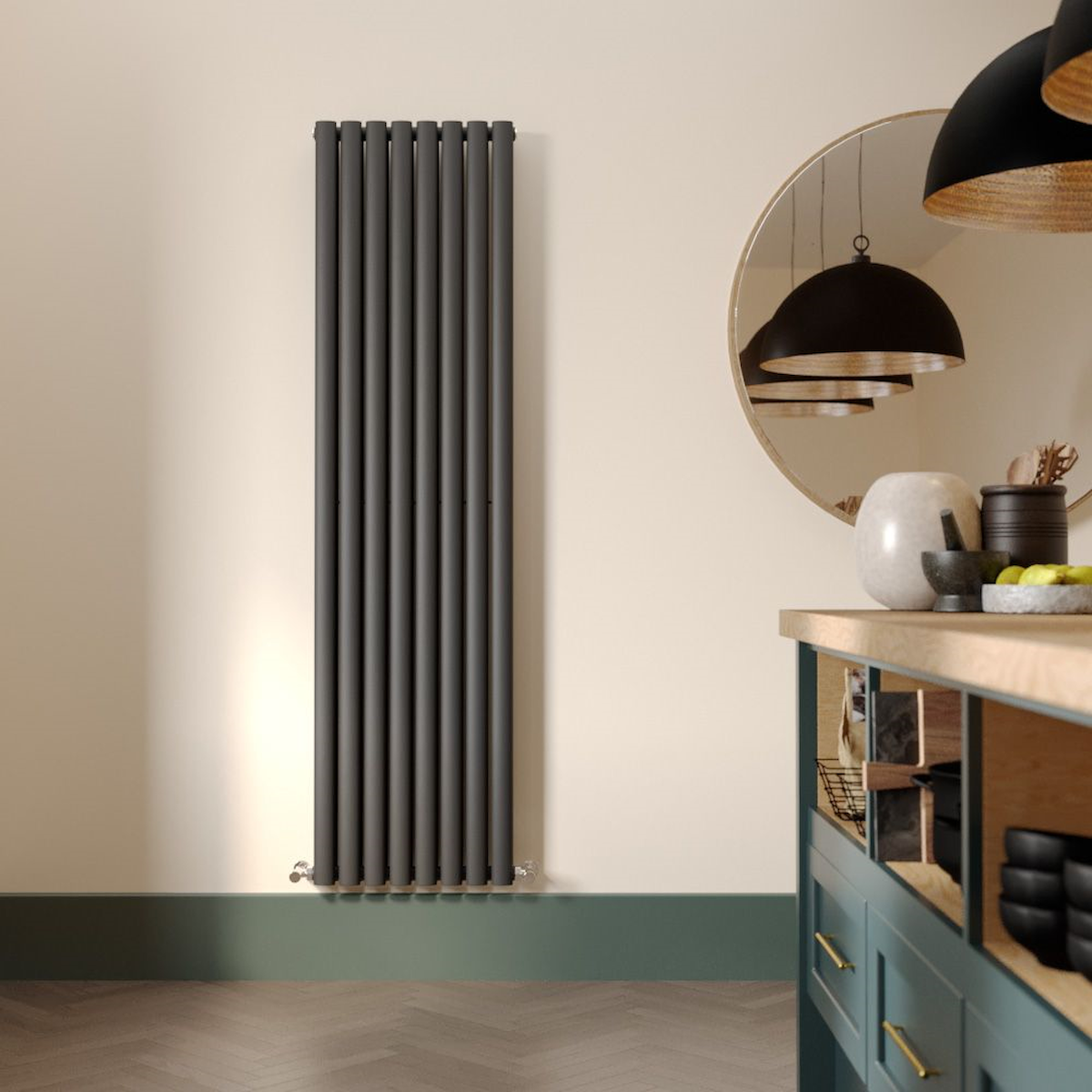

But, why this is so important?
Because of their increased weight and the extra stress the cantilever loading puts on the plasterboard wall, these radiators need more support than standard ones.
This means that the only fixing option for these radiators, much like standard convector designs, is to use heavy-duty plasterboard fixings like Bullfix. It doesn’t stop there though; you will also need to use Bullfix support brackets for column/designer radiators, as even the best plasterboard fixings can’t hold the weight on their own.
What are the best brackets to use for column/designer radiators on plasterboard walls?
Standard manufacturer-supplied brackets for column/designer radiators are designed for use on masonry walls. On plasterboard, these brackets work like a crowbar – digging in and making huge holes. Because of this, common practice is to cut out part of the plasterboard and add pattressing (a plywood or timber board) behind the wall. While effective, this adds extra time, mess and unnecessary work to the installation.
So, how do you avoid this?

The only answer is to use Bullfix radiator support brackets:
- Designed for hanging column and designer radiators on plasterboard walls
- Rather than concentrating the load in one small area, they spread the fixing points further apart – this distributes the radiator’s weight more evenly across the wall.
- They reduce stress on the plasterboard and create a stronger, more secure fix.
- Bullfix support brackets feature a stud and adjustable slot to fit manufacturer-supplied brackets
- Remain discreetly hidden behind the radiator
So, there’s no need for you to start cutting into walls. Simply combine your standard bracket with a Bullfix support bracket and your column or designer radiator will be securely mounted onto the plasterboard.
Want to see how Bullfix radiator support brackets are used on plasterboard walls? Check out this video: ‘BullFix Heavy Duty Radiator Bracket Instructions’

Key Points – Fixing Column and Designer Radiators to Plasterboard:
- Heavier than standard radiators and sit further away from the wall
- Standard manufacturer-supplied brackets aren’t designed for plasterboard and can cause damage to walls
- Need to use Bullfix radiator support brackets to spread the load across a wider area (you can’t just rely on plasterboard fixings to hold the weight)
- Need to use heavy-duty plasterboard fixings like Bullfix universal or Bullfix Extra fixings
So yes, you can hang radiators on plasterboard walls, but choosing the right fixings and brackets is the difference between a secure, long-lasting installation and potential damage to your wall. With both Bullfix radiator support brackets and Bullfix heavy duty plasterboard fixings you can save yourself a load of work and get a strong, long-lasting fix.
If you want to find out more details about Bullfix fixings or just plasterboard fixings in general, you can read about it here where we answer, ‘which is the best plasterboard fixing?’.